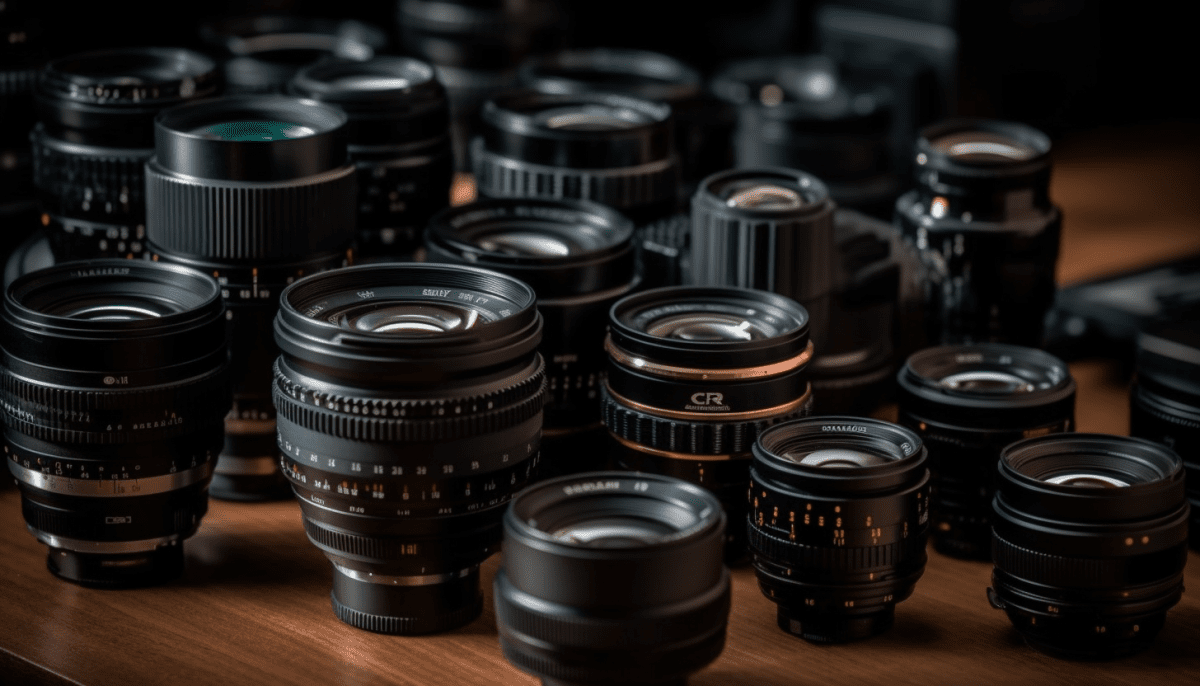
When you dive into photography, understanding lenses is like learning a new language. Each type of lens serves a different purpose, and picking the right one can totally change your photos. Let’s break down the most common types you’ll encounter.
First up, we have the standard lens, usually around 50mm. This lens is your best friend for everyday shots. It gives you a natural perspective, just like the human eye. If you want to take portraits or street photos, a standard lens won’t let you down. It’s versatile and typically produces sharp images with great colors.
Next, check out wide-angle lenses. These bad boys are great for landscapes and architecture because they capture a broader view. If you want to fit more in the frame without stepping back, this lens is the way to go. It can also create a fun effect for close-up shots, making objects closer to the lens seem huge while pushing the background away.
If you’re aiming to get close-ups or details of subjects in nature or at events, macro lenses are your go-to. These lenses allow you to focus on tiny objects, like flowers or insects, and capture intricate details that the naked eye might miss. A macro lens opens up a whole new world of photography!
Lastly, let’s not forget about telephoto lenses. Need to photograph a sports event or wildlife from a distance? A telephoto lens extends your reach. These lenses let you zoom in on your subject without losing clarity. Perfect for those candid moments when you can’t get too close!
How to Choose Your Perfect Lens
Choosing the right lens can feel a bit overwhelming at first, but once you know what to look for, it gets easier. Start by thinking about what type of photography you’re into. Are you snapping portraits, landscapes, or maybe close-ups of tiny critters? Each type of photography calls for a different lens.
1. Focal Length: This is key! Focal length is measured in millimeters (mm) and determines how zoomed in or out your photos will be. For portraits, you might want a lens around 50mm to 85mm to get that nice blurred background while keeping your subject crystal clear. For sweeping landscapes, a wider lens, like a 16mm to 24mm, works wonders.
2. Aperture: This affects how much light comes into the camera and how blurry the background looks. A lens with a wide aperture (like f/1.8 or f/2.8) lets in more light, making it great for low-light situations and achieving that dreamy background blur. If you want sharper images throughout the frame, a smaller aperture (like f/8 or f/11) is your friend.
3. Versatility: Think about whether you want a prime lens or a zoom lens. Prime lenses have a fixed focal length, which often leads to sharper images and a lighter setup. Zoom lenses offer flexibility, letting you change focal lengths without swapping lenses. If you're just starting, a good all-around zoom lens can be a great investment.
Before you make a decision, it’s also smart to check reviews and maybe even rent a few lenses. Trying them out can help you feel which one fits your style best. Happy shooting!
Essential Lens Features to Consider
When it comes to choosing the right lens, there are a few key features that can seriously impact your photography game. First up, focal length. This is crucial because it determines how much of a scene you capture and how close you can get to your subject. A short focal length, like an 18mm lens, is great for wide landscapes. On the flip side, a longer focal length, say 200mm, is perfect for zooming in on distant subjects, like wildlife or sports events.
Next, let's chat about aperture size. The aperture not only affects how much light gets into your camera but also how blurry the background can be. A lens with a wide aperture (like f/1.8) is fantastic for portraits because it blurs the background and makes your subject pop. If you like shooting in low light situations, wide apertures are your best friend!
Don't overlook image stabilization, especially if you shoot hand-held or in challenging lighting. Lenses with this feature help reduce blurriness caused by tiny movements. This can be a lifesaver for capturing sharp images without a tripod.
Last but not least, think about the lens build quality. Some lenses are designed to withstand harsh conditions, while others are more lightweight and portable. If you plan to shoot in various environments, go for a durable lens that can handle a little rough and tumble without losing quality.
Tips for Using Lenses Like a Pro
Using camera lenses like a pro takes a bit of practice, but with a few tips, you can really step up your game. First off, understand the lens you're working with. Different lenses give you different results. For example, a wide-angle lens is fantastic for landscapes while a telephoto lens can help you capture stunning wildlife shots from a distance.
Don't be afraid to experiment with aperture settings. A lower f-stop number (like f/1.8) gives you that dreamy background blur, perfect for portraits. On the flip side, a higher f-stop (like f/16) keeps everything in focus, which is great for landscapes. Play around to find out what looks best for your style.
Keep your lens clean. Fingerprints and dust can ruin a good shot. Use a microfiber cloth to give it a gentle wipe before you start snapping away. This small step can make a big difference in the clarity of your images.
Lastly, learn how to use your zoom properly. If you have a zoom lens, zooming in and out can help you frame your shots better, but remember to keep an eye on your composition. Sometimes, it's not just about zooming in; stepping back can give you a whole new perspective.